Overview

Board

Staff

Supporters

Storytelling Map

Values in Operations

Voices of Appalachia

Finances

Enterprise Development

Forestry

Research and Policy

How$martKY™

Energy Efficient Enterprises

Appalachian Development Alliance

Appalachian Transition Initiative

Central Appalachian Network

Kentucky Center for Economic Policy

Kentucky Coalition for Responsible Lending

Kentucky Solar Partnership

Kentucky Sustainable Energy Alliance

Triple Bottom Line Collaborative

Working Poor Families Project

Voices of Appalachia

Storytelling Map

Publications

Tools for Business Owners

Tools for Landowners

News

Media

Media Room

Contact Information

Feedback

Directions to MACED

Employment Opportunities

Overview

Loan Products

Technical Assistance

Loan Application

Tools for Business Owners

Loan Client Profiles

Overview

Appalachian Carbon Partnership

Center for Forest and Wood Certification

Kentucky Forest Landowner's Handbook

Central Appalachian Forestry Alliance

Our Forests

Tools for Landowners

Overview

Publications

MACED Speaks Out

Policy Resources

Overview

About How$martKY™

An Energy Audit Example

Contractors' Corner

Customers' Frequently Asked Questions

Contact

Start Here

Utility Charges Explained

Tools and Calculators

Ways to Save at Work

Energy Saving Fact Sheets

Building Contractor Capacity

Paying for Improvements

Success Stories

Energy Links

Glossary

Contact Us

About Us Programs Projects and Collaborations Resources News Contact Us Home
MACED logoMountain Association for Community Economic Development
Enterprise Development Forestry Researcg and Policy How$martKY™ Energy Efficient Enterprises


Read how KY EXCEL members set a positive example.


about us


map of service area
MACED serves Kentucky and Central Appalachia, with a focus on the 54 Appalachian counties of Kentucky as designated by the Appalachian Regional Commission. Click here for a list of counties.

MACED works to make a meaningful difference to people and places in Kentucky, particularly eastern Kentucky, and the Central Appalachian region. Here are the basic elements of our five-year plan.


Goals

MACED has a vision to create sustainable development in Central Appalachia. To us that means a system of viable activities, enterprises and policies that build wealth for people in need, protect or enhance the environment and support enterprising and empowered people. We hold all of the following long-term goals as necessary to create sustainable development.

• Strong and diverse economy.

• Increased family well-being, particularly for low-income people.

• Healthy and protected land, air and water.

• Effective and accountable democracy.

Five-Year Directions

The journey toward MACED’s long-term goals will require choices of paths to follow for significant periods of time. Often we will be moving ahead on several paths at once, all aimed at the same ultimate goals. These three programmatic paths and two organizational paths are our five-year directions.


1. Strengthen the energy and forestry sectors by combining our core strategies.

Growing the size and strength of key sectors has the potential to develop substantial economic, environmental and community returns. MACED believes we can deepen our impact on the energy and forestry sectors in the region by focusing our range of tools on them.

Energy

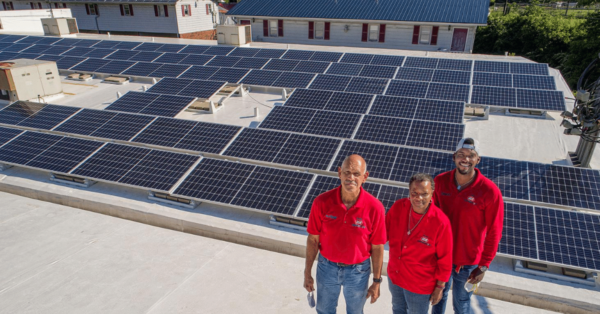
The people of Appalachian Kentucky, low-income residents in particular, are vulnerable to rising energy prices because homes and buildings are very inefficient. In the face of a changing coal industry due to dwindling reserves and increased economic competition, energy efficiency can create jobs and benefit low-income people who pay a high percentage of their income in energy costs.

• Grow demand for energy efficiency and renewable energy production.

• Create potentially large scale energy efficiency infrastructures.

• Demonstrate targeted renewable energy production and use.

Forestry

Central Appalachia has an ecologically diverse and economically valuable forest base that is largely unmanaged. The forest landscape could be more valuable if managed sustainably, but family forest owners need new income options to succeed.

• Promote and expand sustainable forest management.

• Develop support resources and technical expertise to help landowners and wood products companies expand certified forests and processes.

• Help landowners and wood products companies take advantage of potential new value streams.

2. Expand high impact and targeted entrepreneurial and enterprise development support.

Central Appalachia needs more entrepreneurs and stronger enterprises that create employment, provide needed services and support engaged residents. MACED can help these entrepreneurs be successful by providing capital and technical assistance.

• Focus on identifying entrepreneurial potential, particularly in those people who don’t bring traditional entrepreneurial credentials.

• Grow our technical assistance and consulting services.

• Identify support opportunities and products for enterprises focused on MACED’s key sectors and targeted interest areas.

• Develop a stronger but narrower micro-entrepreneurial support strategy.

• Build market knowledge of the region that advances the application of capital and technical assistance tools toward our targeted sectors and interest areas.

• Identify opportunities to strengthen the entrepreneurial support system through demonstrations, research and policy change.

3. Influence state-wide economic policy and promote regional Appalachian transition.

Too often, state and federal policies inadequately support needed services and sustainable development, subsidize harmful development or ignore the unique concerns and needs of Central Appalachia. To achieve change at scale, public policy must shift.

• Promote broadening of economic development policy at the state and federal levels to accelerate regional economic transition.

• Advocate for a Kentucky state budget that adequately funds needed services and for a fairer and more sustainable tax system.

• Promote a conversation about Appalachian transition.

• Conduct research to develop our sectoral and entrepreneurial support work.

4. Strengthen key components of the organization.

MACED recognizes that a strong organization is the key to the implementation of an ambitious plan.

• Support skilled and effective staff.

• Deepen our presence in the region.

• Strengthen organizational learning and performance systems.

• Strengthen MACED’s board.

• Build sufficient communications systems and capacity.

5. Increase MACED’s financial resilience and flexibility.

Financial resilience allows MACED to adapt successfully to changes in amounts and patterns of earned revenue, grant support and expenses. Financial flexibility allows the ability to carry out the highest priority activities even if specific funding is not available.

• Strengthen multi-year financial planning at the program level.

• Manage the enterprise development program to achieve reasonable financial goals.

• Diversify MACED’s earned revenue.

• Pursue grants from a broad range of private and public sources.

Learning and Performance Measurement

Over the next five years, MACED will track specific indicators regarding program outcomes, organizational development and financial health and gather lessons and stories to inform our understanding of our results. We will review qualitative and quantitative information annually to help shape our path moving forward.


Click here to view MACED's vision two-page summary.

Click here for the vision statement.